Roofing Installation
Roofs Built to Last Through Hard Use
Roofing installation in Kalamazoo for new construction, full replacements, and commercial reroofing projects
A full roofing installation is one of the few projects where material selection, installation sequencing, and the qualification of the crew all converge to determine how long the system performs. Adam Garland Construction and Roofing holds CertainTeed Master Shingle Applicator status—a manufacturer certification that reflects verified installation standards, not a self-designated credential. That distinction matters because shingle manufacturer warranties are tied to installation method, and an applicator certification is often the threshold between a standard warranty and an enhanced one. For homeowners in Kalamazoo replacing an aging roof, that difference can span a decade or more in coverage terms.
Installation work covers both residential and commercial properties, including new roof builds on construction projects and reroofing on existing structures. The scope of a reroofing project on a mid-century Kalamazoo home differs from new commercial construction: existing decking condition, ventilation layout, and the number of existing shingle layers all shape what gets removed and how the new system is built up from the substrate.
Arrange a site visit to assess your current roof system and discuss material options appropriate for your property type.
How a Certified Installation Differs From Standard Work
The installation sequence on a properly executed roofing project starts below the shingles. Underlayment selection, ice and water shield placement at eaves and penetrations, correct fastener pattern for the shingle line chosen, and proper ridge and hip treatment all have to be executed in the right order before the visible surface is ever laid. Adam Garland Construction and Roofing applies CertainTeed's installation standards across residential and commercial projects, which means each phase is completed to the specification that supports the product's full warranty rather than the minimum standard that gets the job done visually.
When installation is complete, the finished roof presents clean, consistent shingle alignment with no lifted edges at the tabs, properly sealed ridge caps, and flashing that sits flush at all wall and penetration junctions. Those are observable quality indicators—not aesthetic preferences—because lifted tabs, misaligned courses, and exposed flashing edges are the entry points where new roofs begin to fail. A properly installed roof should show none of them at completion.
Commercial reroofing projects add a coordination layer that residential work typically doesn't require: managing access around occupied facilities, sequencing work to minimize interior disruption, and in some cases working with a flat or low-slope system that uses different materials and drainage logic than a pitched residential roof. The material type—TPO, modified bitumen, or a steep-slope system—is determined by the roof geometry and the building's use, not by a default preference.
Answers About What Goes Into the Installation
Roofing installation questions tend to focus on what the process involves, how material decisions get made, and what a quality installation actually looks like on a finished roof. The questions below address the work itself.
What does CertainTeed Master Shingle Applicator status mean for a homeowner?
It means the installing crew has been trained and verified by the manufacturer to apply CertainTeed products to the standards required for the company's enhanced warranty programs. Without that certification, the installation may meet basic code but not qualify for the manufacturer's upper-tier warranty coverage.
How is the number of shingle layers on an existing roof handled before installation begins?
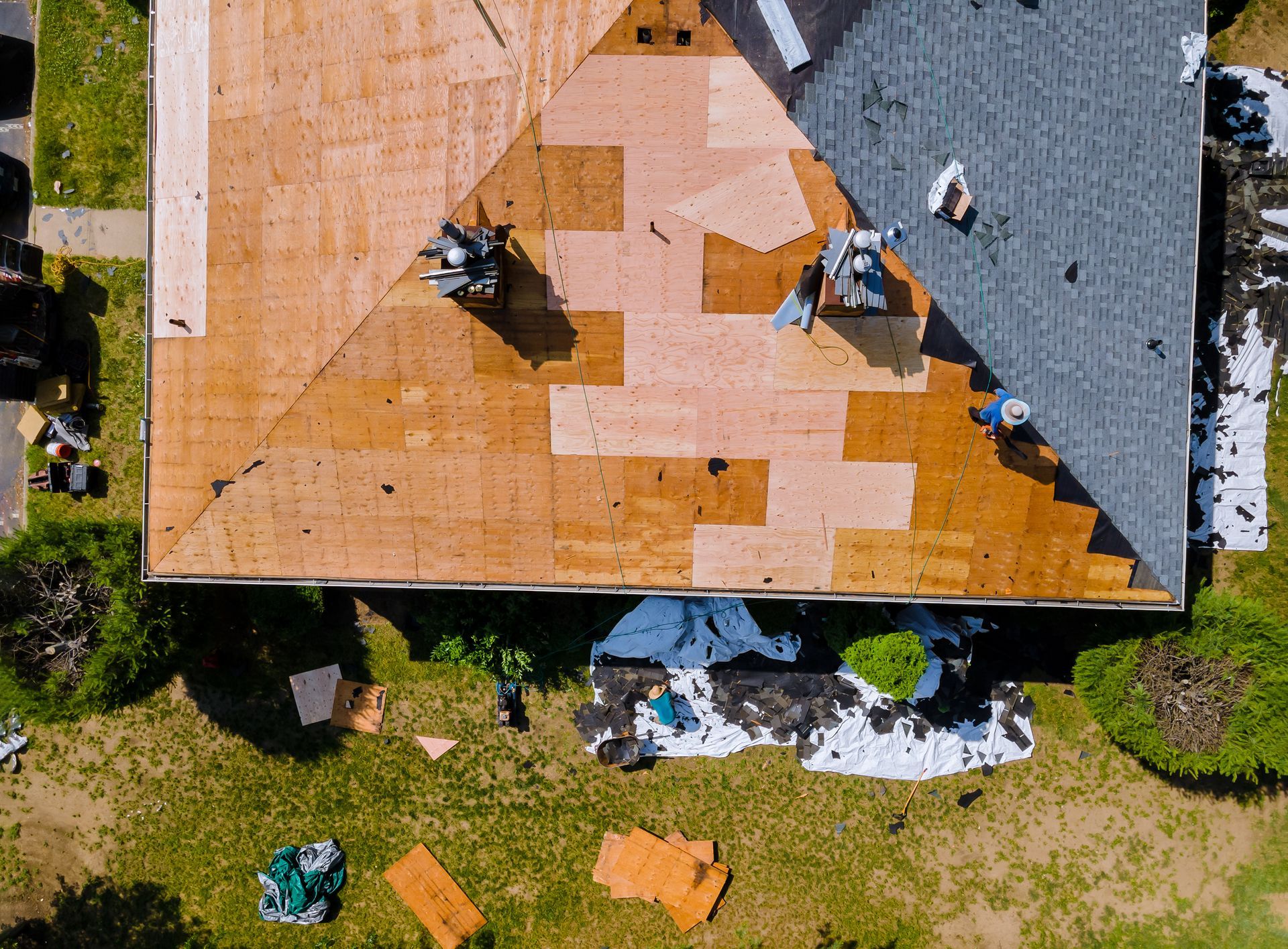
Most jurisdictions allow a maximum of two shingle layers before a full tear-off is required, and decking condition should be assessed once the old material is removed. Installing over a compromised deck creates fastener pull-through risk and uneven surface problems that shorten the new roof's functional life.
Why does ventilation matter in a roofing installation?
Attic ventilation affects how the shingles perform from below. Inadequate exhaust allows heat to build up against the underside of the decking, which accelerates shingle aging and can void manufacturer warranties. Ventilation is assessed and corrected as part of installation, not treated as a separate project.
What is the difference between reroofing and a full replacement installation?
Reroofing typically refers to installing a new shingle layer over an existing one where conditions allow, while a full replacement involves tear-off of existing material and installation on bare decking. Many older Kalamazoo homes already have two layers and require a full replacement to meet code and give the new system a clean substrate.
How should flashing be handled when it is already in place from a prior installation?
Existing flashing should be inspected for corrosion, separation, or incorrect overlap before the decision is made to reuse or replace it. Reusing failed or improperly installed flashing under a new shingle system is one of the most consistent sources of early failure on what would otherwise be a sound installation.
Adam Garland Construction and Roofing brings CertainTeed Master Shingle Applicator credentials and direct roofing installation experience to residential and commercial projects across Kalamazoo. Contact the crew with your project details to start the assessment process and determine which installation approach fits your structure.